L’accoglienza delle persone migranti
SimiRoma2020-06-11T12:56:44+00:00Sorry, this entry is only available in Italian.
Sorry, this entry is only available in Italian.
Sorry, this entry is only available in Italian.
Sorry, this entry is only available in Italian.
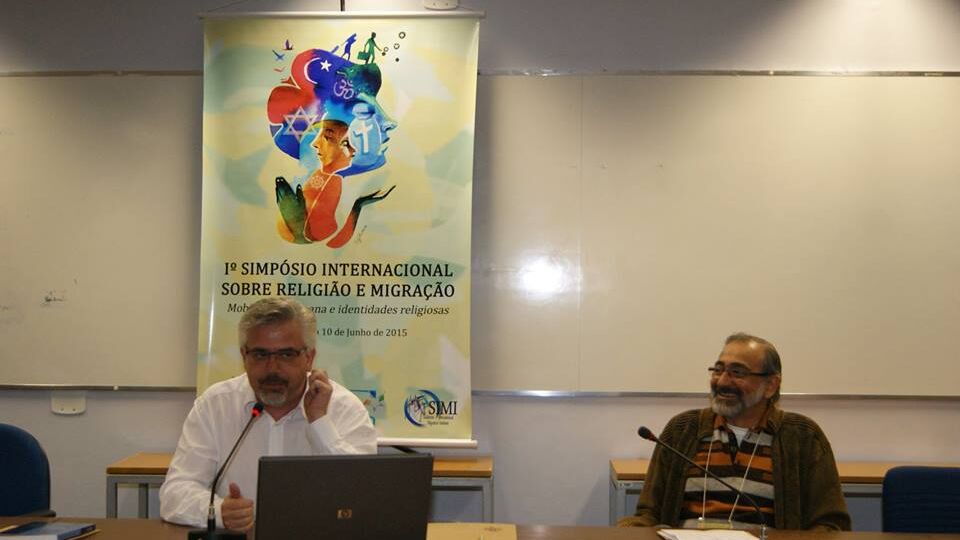
From 8 to 10 June 2015 in São Paulo, Brazil, the first "International Symposium on Religion and Migration" (The Symposium Internacional sobre Religião and Migração) was held. The theme chosen for this first edition was "Human Mobility and Religious Identities (Mobilidade humana and Identidades religiosas). The symposium was held in the Monte Alegre campus of the Pontifical Catholic University of São Paulo and it was organized jointly by the Post-graduate Program in Sciences of Religion of the same university, SIMI and the Centro de Estudos Migratorios (CEM) of the Scalabrinian Missionaries. The various sessions have seen the alternation of international scholars and [...]
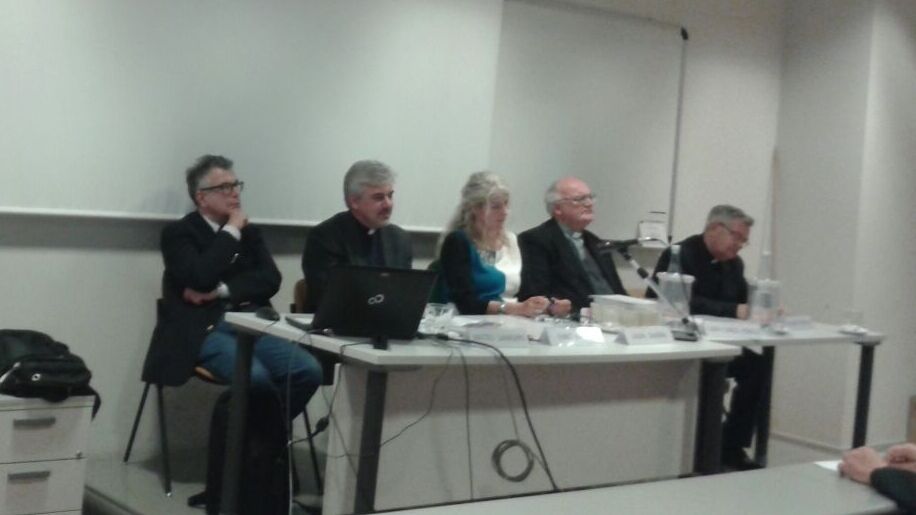
On 15 May 2015 from 15.00 to 18.00 hrs. at the Aula 12 of the Università Cattolica del Sacro Cuore in Piacenza, the Seminar titled, “Bonomelli and Scalabrini: Two Bishops whose Hearts a Diocese was not Enough to” was held. The even was organized by the Fondazione Migrantes (CEI), Università Cattolica del Sacro Cuore in Milan, Scalabrini International Migration Institute (SIMI) in Rome and Fondazione Iniziative e Studi sulla Multietnicità (ISMU) in Milano. The program was composed of two sessions. The first session, more from the historical perspective, was dedicated to the presentation of the contributions by prof. Matteo Sanfilippo (Bonomelli, Scalabrini and italian emigration), Mgrs. Gian Carlo Perego (The Opera of Bonomelli for emigrants) and prof. [...]
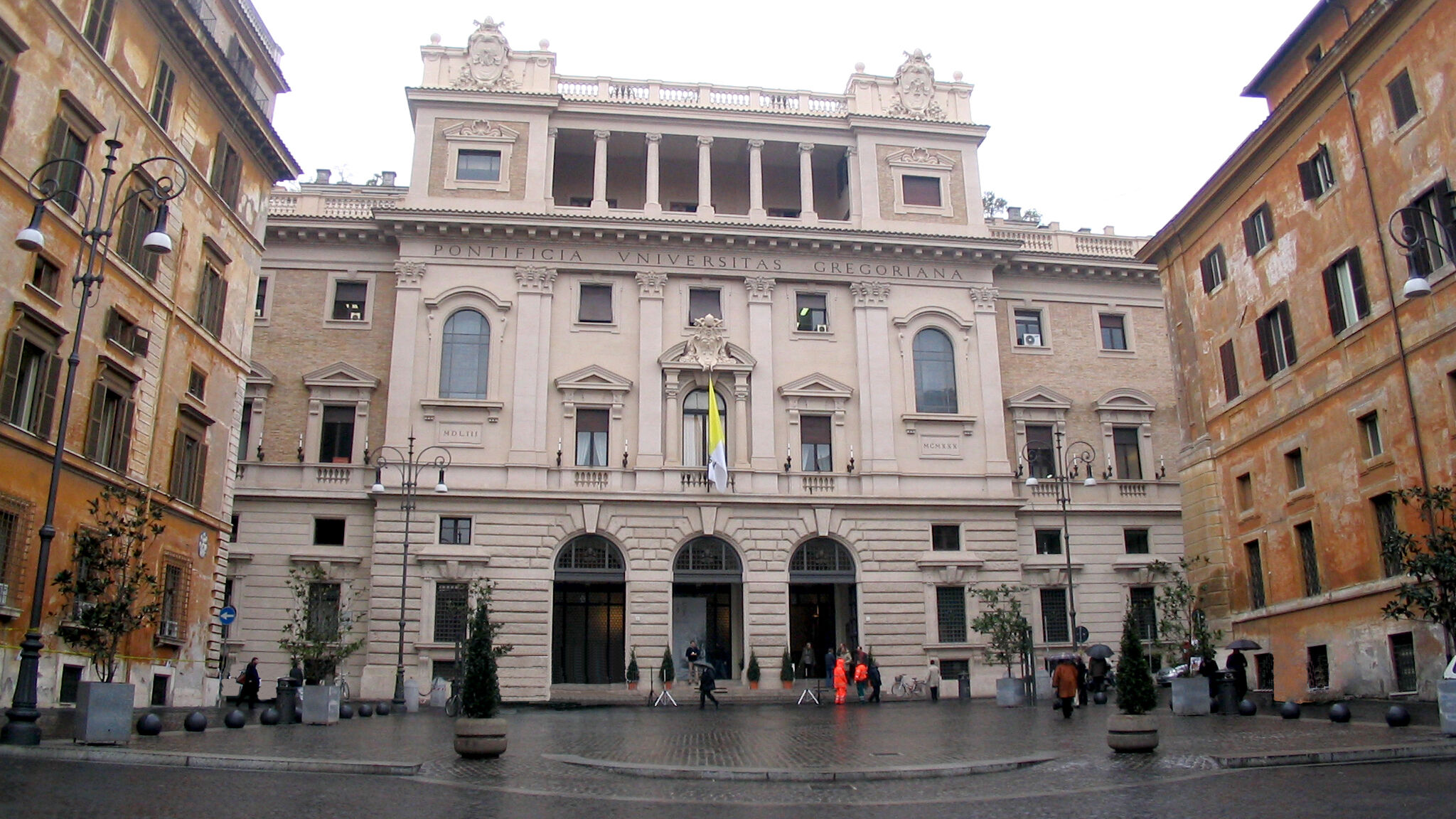
On 11 May 2015 the second meeting of the group Studio SIMI - PUG, which has chosen as topic for the whole 2015 "irregular migration" was held in the Pontifical Gregorian University in Rome. In this meeting prof . Fabio Baggio presented his contribution titled, "Irregular migration, trafficking and smuggling. Mixed scenarios in the European Union and in Italy" , through which he tried to trace the current landscape of unauthorized migrants in Europe and particularly in Italy, starting from collected and available official data. The meetings of the Study Group are structured as a writeshop and on this occasion the attending scholars expressed their comments and [...]
The Director of SIMI, Fabio Baggio, was invited to deliver the course "History and problems of migration" within the Master Program in Intercultural and interfaith Mediation organized by the Academia of Human and Social Sciences (ASUS) in collaboration with the Salesian Pontifical University. The Master, which is constituted of lectures and distance learning, is structured in 1,500 hours, equal to 60 ECTS. The course entrusted to Prof. Baggio includes 4 hours of lectures, which were delivered on Saturday 9 May 2015 at the headquarters dell'ASUS in Rome. This 2015 edition is attended by 21 students from different ethnic backgrounds and training.
Monday, 4 May 2015, Prof. Fabio Baggio, director of SIMI, was ivitato to deliver a day of conferences in the ongoing formation course of the Missionary Sisters of St. Charles, Scalabrinians. The course, organized in Piacenza normally during the month of May, this year gathered more than twenty religious operating in different countries of the world. Prof . Baggio was given the task of identifying the most relevant socio-pastoral challenges posed to the universal Church and the local Churches by the contemporary human mobility phenomenon and proposing some possible responses.
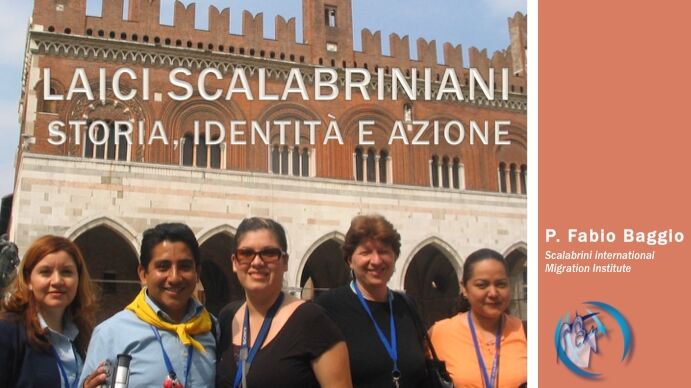
The director of SIMI, Fabio Baggio, was invited to participate in the Triennial General Assembly of the Scalabrini Lay Peopleof the Region Blessed Giovanni Battista Scalabrini, which brought together representatives of the various Scalabrinian lay groups operating in Europe and in Africa. The meeting was held in Piacenza on 1-3 May 2015 and focused on the topic "New Horizons for the Scalabrinian Family: the role of the laity." Prof. Fabio Baggio gave a lecture on "Lay Scalabrinians: history, identity and action" in which he stressed the importance of recovering the past in order to interpret the present and the future of the Scalabrinian [...]